%20(1).png)


Harnessing Solar Energy for Rural Bihar: A Complete Guide for Villages
Explore how rural Bihar can harness solar energy for sustainable living. Learn about government schemes, zero electricity bills, and energy independence.
Introduction
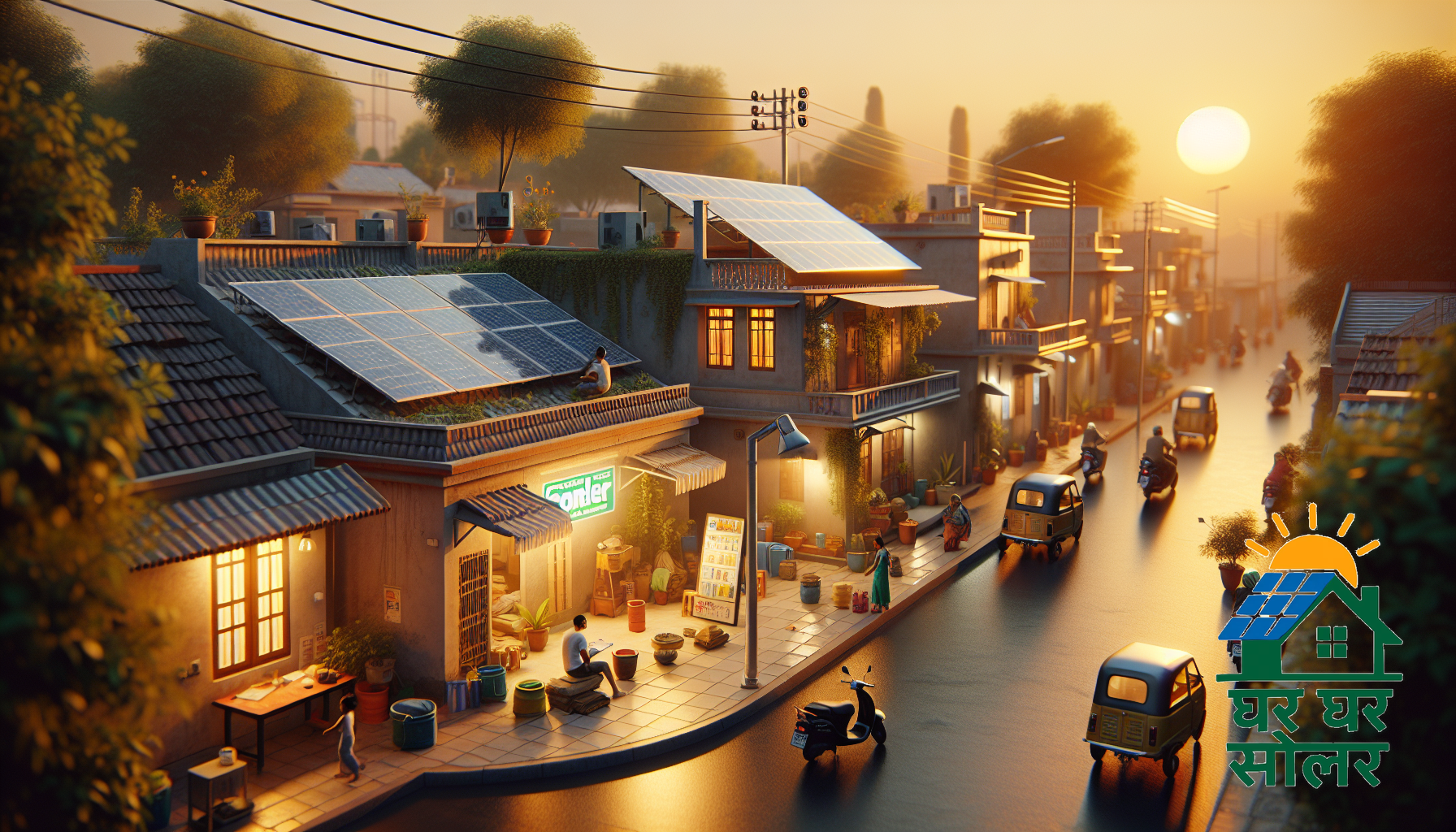
In recent years, the world has witnessed a notable shift towards renewable energy, especially solar energy. For rural Bihar, harnessing solar energy isn’t just a trend; it’s a vital step toward achieving energy independence, reducing costs, and promoting sustainable energy practices. In this article, we will delve deeply into the potential of solar energy for rural Bihar, covering every essential aspect to empower villages to top the energy independence chart.
Understanding Solar Energy
Basics of Solar Energy and How It Works
Solar energy is derived from the sun's radiant light and heat, which can be converted into electricity using solar panels. These panels contain photovoltaic cells that capture sunlight and convert it into usable energy through a process called the photovoltaic effect.
Importance of Renewable Energy in Rural Settings
Rural regions often face challenges like unreliable electricity supply and high energy costs. By leveraging solar energy, these communities can:
- Achieve consistent power supply.
- Reduce dependence on fossil fuels.
- Engage in sustainable practices that benefit the environment.
Overview of Solar Panel Technology and Types
There are mainly two types of solar panels:
1. Monocrystalline Solar Panels:
- Higher efficiency.
- Space-efficient, making it ideal for small rooftops.
2. Polycrystalline Solar Panels:
- More affordable yet slightly less efficient.
- Suitable for larger installations.
Understanding these types can help villagers make informed decisions about which systems work best for their circumstances.
The Benefits of Solar Energy for Rural Bihar
Zero Electricity Bills and Energy Savings Explained
One of the most appealing aspects of solar energy is the prospect of achieving zero electricity bills. By generating your own electricity, you can significantly reduce or completely eliminate your dependence on the grid, offering substantial long-term savings. This is particularly crucial for rural areas where electricity costs can be disproportionately high.
Environmental Benefits and Sustainability
Solar energy is a clean, renewable source that reduces carbon emissions and overall environmental impact. By transitioning to solar in rural Bihar, communities can contribute to global sustainability efforts and preserve their natural resources for future generations.
Enhancing Energy Independence for Rural Households
Solar energy provides rural households the chance to become self-sufficient in their energy consumption. This independence is particularly empowering, allowing communities to operate essential services and maintain their way of life without outside interruptions.
Government Schemes Supporting Solar Adoption
Overview of the PM Surya Ghar Yojana and Ghar Ghar Solar
The Indian government has initiated the PM Surya Ghar Yojana and Ghar Ghar Solar schemes, which aim to promote the adoption of solar energy across India, especially in rural areas. These schemes help homeowners access funding, subsidies, and installation services designed to ease the shift towards solar energy.
Explanation of Eligibility and Application Process
To qualify for these government schemes, applicants must meet specific criteria, such as:
- Ownership of residential property.
- Compliance with local regulations regarding installation.
The application process is straightforward:
- Fill out the online application form.
- Submit the required documents.
- Await approval and installation schedules from authorized agencies.
Highlight the ₹78,000 Government Solar Subsidy
One of the most attractive incentives under the government schemes is a subsidy of ₹78,000 available to eligible households. This financial aid significantly reduces the initial investment required for solar panel installation, making it accessible for the average homeowner.
Choosing the Right Solar Solution
Factors to Consider When Selecting a Solar System
When considering solar systems, take note of the following factors:
- Energy needs: Calculate your average energy consumption.
- Roof space: Ensure adequate space for panel placement.
- Budget: Set a realistic budget that includes installation and maintenance costs.
Differences Between Rooftop Solar and Other Solar Solutions
Rooftop solar is the most popular choice in rural Bihar because it utilizes existing infrastructure, thereby saving space. On the other hand, community solar farms may also be considered for more extensive collective energy production, although they involve a different investment structure.
Importance of Consultation with a Solar Expert
Engaging with a solar energy expert can make the selection process easier. Professionals can provide personalized solutions by evaluating energy needs and proposed budgets, guiding homeowners toward the best solar choice.
Installing Solar Panels in Rural Areas
Overview of the Installation Process
The installation of solar panels typically involves multiple steps:
1. Site Assessment: Evaluating the location for sunlight exposure.
2. System Design: Designing an optimal solar system tailored to energy needs.
3. Installation: Safely installing solar panels, inverters, and electrical connections.
Choosing a Reputable Installer
Selecting a local, reputable installer is crucial for ensuring quality work. Research options and read reviews from other homeowners to find a trusted solar installation provider.
Maintenance and Service Considerations
Regular maintenance is key to the longevity of solar systems. Typically, this involves:
- Routine cleaning of panels.
- Annual system checks by professionals.
- Monitoring the energy output and efficiency.
Financing Options for Solar Energy Projects
Explanation of Available Government Loans (6% Interest)
The government also provides loans at competitive rates to facilitate solar panel installations. Homeowners can access loans with an interest rate of as low as 6%, significantly easing financial burdens.
Overview of Affordable Financing Options and Payment Plans
Beyond government loans, various banks and financing companies offer flexible payment plans. Options may include:
- Low-interest loans.
- Pay-as-you-save plans.
- Microfinancing for low-income households.
Cost Analysis: Initial Investment vs. Long-Term Savings
Although the initial investment in solar may seem substantial, the long-term savings tend to outweigh the upfront costs. For example, many households report savings of ₹1,000-₹2,500 on monthly electricity bills, leading to a full return on investment within 4-7 years (source needed).
Real-Life Case Studies from Rural Bihar
Successful Solar Projects in Villages
Several villages in Bihar are paving the way with successful solar projects, illustrating both the practicality and benefits of solar energy. For instance, in the village of Bhatauli, residents installed a community solar system powered by contributions from households, leading to significant reductions in energy costs.
Testimonials From Homeowners Who Experienced Benefits
Homeowners like Ravi Kumar have expressed how the adoption of solar energy transformed their lives:
Before solar, we faced daily power cuts. Now, our bills have gone down, and we feel empowered to generate our own energy.
Lessons Learned and Best Practices
Successful solar projects emphasize community involvement, transparency during the installation process, and the importance of sharing knowledge among neighbors. Establishing hometown solar cooperative models can enhance collective benefits.
Overcoming Challenges to Solar Adoption
Common Misconceptions About Solar Energy
Many individuals believe solar energy is only viable in urban areas. However, rural environments have plenty of sun and can greatly benefit from solar solutions. Moreover, some fear that solar systems are too expensive; in reality, numerous financial aids make installation more accessible.
Addressing Technical and Financial Barriers
Technical misconceptions regarding solar energy systems can be daunting. Homeowners can tackle these barriers by engaging with experts and local agencies who can address concerns and offer clear guidance.
Community Support and Advocacy for Solar Projects
Building a strong community network around solar adoption can drive enthusiasm and commitment. Local groups can help raise awareness and share resources and information, thereby spurring collective actions towards energy independence.
Sustainable Living Beyond Solar Energy
Additional Eco-Friendly Practices for Rural Homeowners
Adopting solar energy should be part of a broader commitment to sustainable living. Rural homeowners can further reduce their carbon footprint by:
- Creating organic gardens.
- Implementing rainwater harvesting systems.
- Reducing waste through composting.
Integrating Solar Energy with Other Renewable Sources
In addition to solar energy, exploring other renewable energy sources such as biomasses, wind, and small-scale hydro plants can promote holistic sustainability.
Importance of Community Efforts in Sustainability
Collective commitment boosts sustainability efforts. Groups can organize community clean-ups, awareness programs, and sustainability workshops to foster a sense of responsibility toward environmental conservation.
FAQ
What are the benefits of solar energy in Bihar?
Solar energy provides farmers and homeowners with reduced energy bills, sustainability, and energy independence.
Are there government subsidies for installing solar energy systems?
Yes, schemes like the PM Surya Ghar Yojana offer subsidies of up to ₹78,000 for eligible households.
How do I choose the right solar installer in my village?
Research local installers, read reviews, and consult with other homeowners who have installed solar systems.
Conclusion
Harnessing solar energy for rural Bihar presents an incredible opportunity for villages to thrive, economically and environmentally. By embracing this clean and renewable energy source, communities can enjoy lower electricity costs, achieve energy independence, and contribute to sustainable practices that nurture the planet.
At Ghar Ghar Solar, we are committed to guiding you through each step of the solar adoption journey.
Ready to make the switch to solar? Contact Ghar Ghar Solar for expert installation and take advantage of the ₹78,000 Government Solar Subsidy today!
Learn more about how you can achieve zero electricity bills with our tailored solar solutions! Schedule a free solar energy consultation today and find out how to finance your installation!

