%20(1).png)


The Future of Energy Independence: How Solar Technology is Revolutionizing Home Energy in Bihar
Discover how solar technology is transforming home energy in Bihar and paving the way for energy independence. Explore practical solutions today!
Introduction to Solar Energy in Bihar
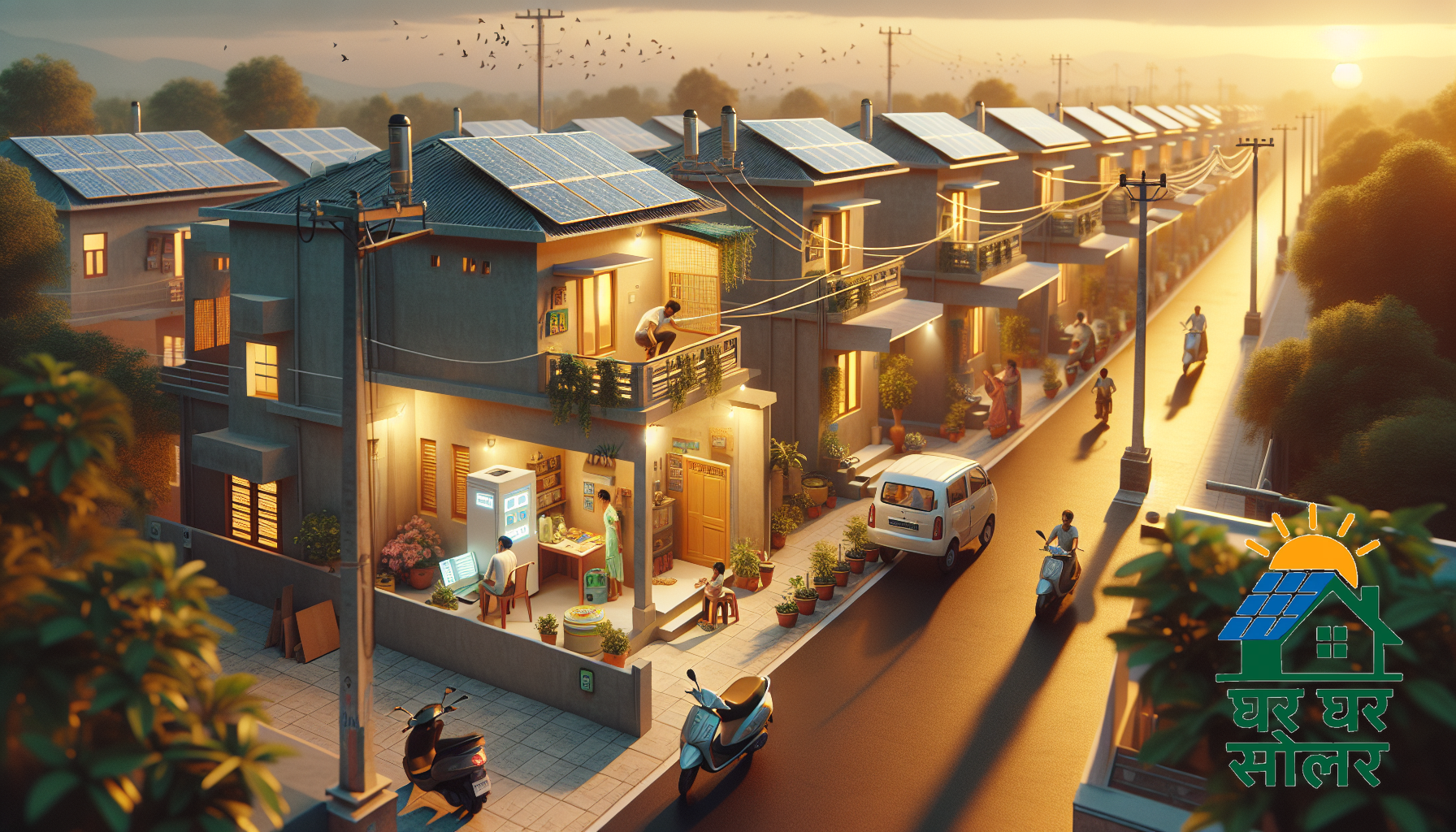
Solar energy harnesses the sun's rays to produce electricity, providing a clean and sustainable alternative to fossil fuels. In Bihar, where energy access has long been a challenge, solar technology is emerging as a beacon of hope. With a population grappling with high electricity costs and intermittent power supply, the potential for solar energy is immense.
As of 2023, statistics indicate that nearly 60% of Bihar's rural population lacks reliable access to electricity, often relying on expensive diesel generators. Such reliance not only strains household budgets but also contributes to environmental degradation. In contrast, solar energy presents an opportunity to reduce electricity bills and promote cleaner living.
Now is a pivotal time for residents of Bihar to turn towards solar energy. Government initiatives combined with decreasing installation costs make it easier than ever for families to embrace this sustainable technology.
Understanding Energy Independence
Energy independence refers to the ability of homeowners to produce their own energy, reducing reliance on external sources. Achieving this independence comes with various benefits:
- Cost Savings : Lower electricity bills and potential income from excess energy sold back to the grid.
- Reliability : Reduced vulnerability to power outages and fluctuations in energy prices.
- Sustainability : Contributing to environmental conservation by decreasing reliance on fossil fuels.
Solar technology greatly facilitates the journey towards energy independence for residents of Bihar. By investing in rooftop solar systems, homeowners can generate their own electricity and store it for later use, ensuring consistent energy availability, even during peak demand times.
Current State of Solar Technology
The landscape of solar technology has evolved significantly over the past decade. Today’s homeowners in Bihar have access to several innovations, including:
- Photovoltaic (PV) Systems: These are the most common types of solar systems used in homes. They convert sunlight directly into electricity and can be used in standalone or grid-tied setups.
- Solar Thermal Technology: This harnesses sunlight to generate heat for water and space heating, offering another avenue for energy savings.
- Emerging Green Technologies: Innovations such as BIPV (Building-Integrated Photovoltaics) and advancements in energy storage solutions are making solar energy more efficient and versatile.
Families considering solar technology today stand to benefit from these advancements, ensuring a robust return on investment and reliable energy supply.
Government Support and Initiatives
The Government of India has rolled out several initiatives aimed at promoting solar energy adoption, particularly in states like Bihar. Two of the most notable programs include:
- PM Surya Ghar Yojana: This scheme offers financial assistance for homeowners looking to install solar rooftop systems, providing support specifically tailored for lower-income families in rural areas.
- ₹78,000 Government Solar Subsidy: This subsidy vastly decreases the financial burden of purchasing solar systems, making thoughtful investment accessible to many.
These government policies significantly impact the push towards solar solutions in Bihar. Residents who may have previously lacked the resources to grab opportunities for energy independence can now take significant strides toward sustainability.
Financial Considerations for Homeowners
While the cost of solar installation can initially seem daunting, the long-term savings can be substantial. Here are some factors to consider:
- Installation Cost: The average cost for residential solar systems can vary, but after government subsidies, many homeowners find prices to be quite manageable.
- Financing Options: Government loans available at an interest rate of 6% can help families spread out the cost over time, making solar more affordable.
- Return on Investment (ROI): Calculating savings is crucial. For many homeowners, the break-even point can occur within 5-7 years, after which energy savings can lead to zero electricity finances, increasing home value.
Should homeowners wish to evaluate their savings potential, it's best to request a free consultation from solar providers like **Ghar Ghar Solar** for tailored financial advice.
Steps to Install Rooftop Solar Systems
If you’re considering transitioning to solar energy in Bihar, here’s a step-by-step guide to get started:
1. Evaluate Your Energy Needs: Determine how much energy your household consumes monthly and the size of the solar installation required.
2. Choose a Solar Provider: Research local entities like **Ghar Ghar Solar**, which specializes in rooftop solar installation.
3. Site Assessment: The solar provider will conduct a site assessment to evaluate roof condition, sunlight exposure, and system design suitability.
4. Installation: Once approved, technicians will install the system, generally completed in one to three days.
5. Maintenance and Monitoring: Ongoing maintenance ensures efficiency. Regularly check the system’s performance through monitoring tools to maintain optimal energy generation.
Taking these steps can help ensure a seamless transition to renewable energy.
Real-life Success Stories in Bihar
Bihar boasts several inspiring stories of families who have embraced solar energy and witnessed transformative outcomes:
1. The Kumar Family: After installing a 3 kW rooftop solar system, the Kumars reported savings of over ₹3000 monthly on their electricity bills. They also enjoyed uninterrupted power supply for their electronic devices.
2. Rani Devi: A single mother running a small food business was able to eliminate her electricity bills post-solar installation, allowing her to redirect those funds toward her children’s education.
These stories illustrate the tangible benefits of solar energy, creating a ripple effect of empowerment within communities.
Overcoming Common Myths and Misconceptions
Misconceptions about solar energy often deter potential adopters. Here are common myths and factual counterpoints:
- Myth 1: Solar panels are too expensive.
- Counterpoint: With government subsidies and loans, many homeowners find installation costs significantly lower than anticipated, plus the long-term savings are worthwhile.
- Myth 2: Solar energy systems are unreliable.
- Counterpoint: Modern systems can generate energy even on cloudy days and have improved efficiencies, ensuring reliable energy provision year-round.
- Myth 3: Solar panels require excessive maintenance.
- Counterpoint: Solar panels are quite durable and typically require minimal maintenance, mainly occasional cleaning and checks.
By dismantling these myths, homeowners can feel empowered to explore solar investments.
The Future of Solar Energy in Bihar
Looking ahead, the outlook for solar energy in Bihar is promising. Predictions indicate a continued upward trajectory in adoption rates:
- Increased Solar Capacity: By 2030, it’s estimated that Bihar could double its solar capacity, particularly with government incentives and participation from local organizations.
- Technological Innovations: Advances such as smarter energy grids and enhanced energy storage will increase efficiency and reliability even further.
- Community Engagement: Grassroots initiatives that foster awareness and education about solar energy are essential. Community participation will drive the adoption of sustainable practices.
As homeowners contribute to the rise of renewable energy, they collectively play a significant role in advancing Bihar's energy independence.
Conclusion and Next Steps
In summary, solar technology is not just a solution for cost savings but a path toward energy independence and sustainability in Bihar. With the right information and support, local communities can usher in a brighter, greener future.
If you're ready to explore the potential of solar energy for your home, why not schedule a free consultation with Ghar Ghar Solar? Start your sustainable journey today, and don’t miss out on the ₹78,000 Government Solar Subsidy!
Join the renewable energy revolution in Bihar!
Frequently Asked Questions (FAQ)
1. How long does it take to install a solar system?
Typically, installation can take between one to three days depending on the system's complexity.
2. Can solar energy work during rainy seasons?
Yes! Solar panels continue to generate electricity even on cloudy or rainy days, although at a reduced capacity.
3. What maintenance do solar panels require?
Most systems require minimal maintenance—occasional cleaning and regular checks to ensure optimal functioning.
Are you ready to achieve energy independence? Take the first step toward a sustainable future with solar energy today!

