%20(1).png)


Understanding the Installation Process of Rooftop Solar Panels for Energy Independence
Discover the step-by-step installation process of rooftop solar panels to achieve energy independence and sustainable living in Bihar
Introduction
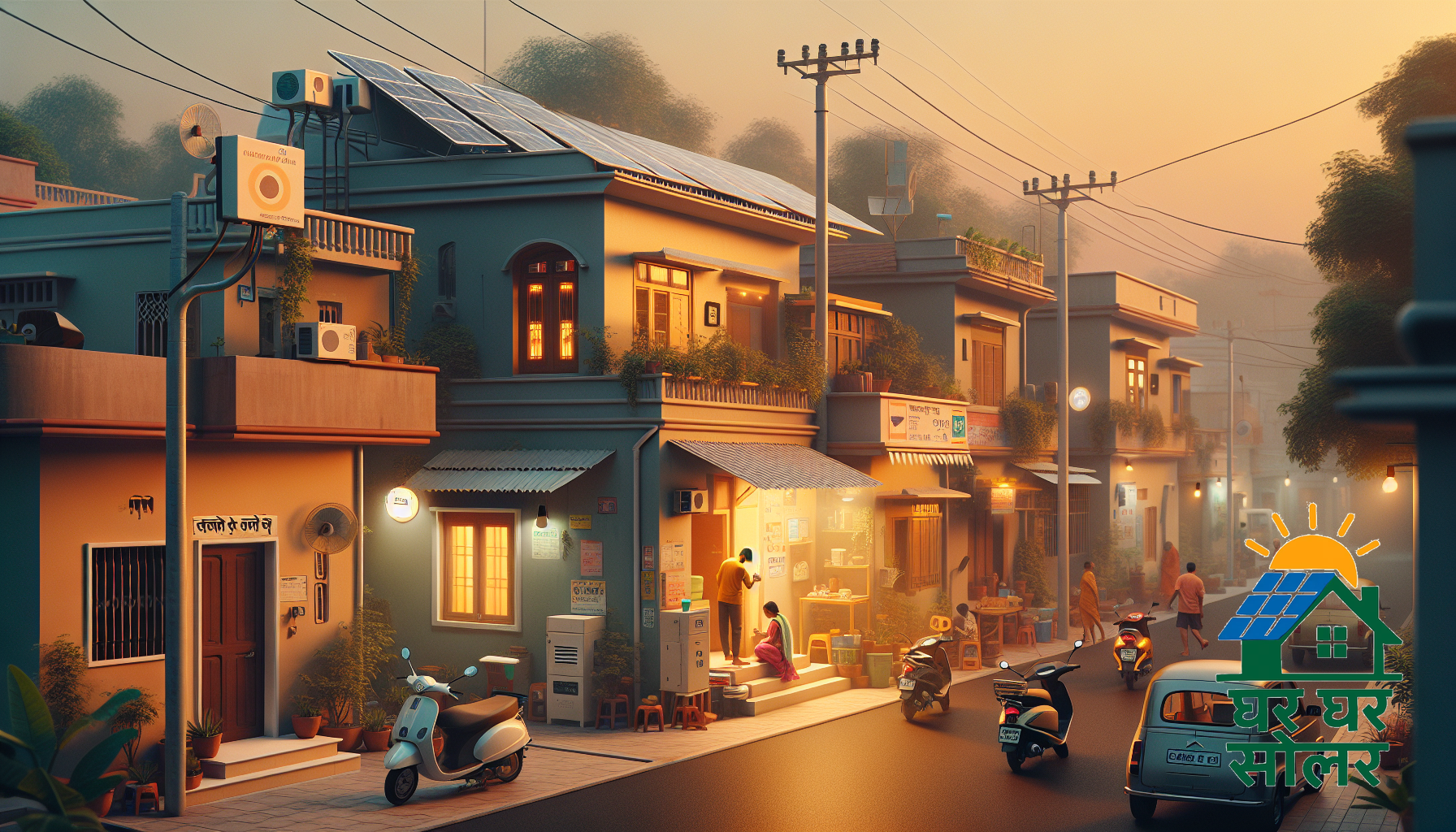
With increasing energy costs and a growing awareness of environmental issues, many homeowners are turning to renewable energy solutions. Installing rooftop solar panels not only offers substantial savings on electricity bills but also contributes to energy independence and sustainability. In this article, we will take a comprehensive look at the installation process of rooftop solar panels, allowing you to navigate your way toward a cleaner and more cost-effective energy solution.
Introduction to Rooftop Solar Panels
Rooftop solar panels are photovoltaic (PV) systems installed on the rooftops of homes, designed to convert sunlight into electricity. This renewable energy technology has become increasingly popular due to its numerous benefits, including:
- Cost Savings: Reducing reliance on grid electricity can significantly lower your monthly bills.
- Energy Independence: By generating your own power, you lessen your dependence on external energy sources.
- Environmental Impact: Solar energy reduces your carbon footprint, helping combat global warming and contributing to a cleaner environment.
The installation of rooftop solar panels is a crucial step in transitioning to sustainable living. This adoption aligns with broader efforts to shift towards renewable energy and enhance energy security, particularly in places like Bihar, where the demand for electricity continues to rise.
Understanding Government Schemes
One of the key incentives for homeowners considering solar installation in Bihar is the range of government schemes available, designed to make the transition to renewable energy more feasible.
PM Surya Ghar Yojana
The PM Surya Ghar Yojana is an initiative by the Government of India aimed at promoting solar energy systems across the country, offering a significant rebate on installation costs. Under this scheme, homeowners can take advantage of subsidies and financial support to install rooftop solar panels.
Ghar Ghar Solar Scheme
The Ghar Ghar Solar scheme specifically benefits residents in Bihar by providing a structured approach to installing solar panels while giving various loans and subsidies:
- Interest Rates: Access to government loans with low-interest rates of around 6%.
- Subsidies: Homeowners may qualify for the ₹78,000 Government Solar Subsidy, which significantly reduces the upfront cost of installation.
Financing Options
In addition to subsidies, multiple financing programs are available, allowing homeowners to pay for their installations through manageable monthly installments, resulting in zero or reduced electricity bills over time. This makes solar panel installation an attractive long-term investment for households in Bihar.
Assessing Your Home for Solar Installation
Before diving into the installation process, there are several critical factors you should consider when assessing your home for solar panels.
Factors to Consider
1. Roof Orientation: South-facing roofs typically receive the most sunlight and are generally the best candidates for solar panel installation.
2. Shade Analysis: Evaluate any surrounding trees or buildings that may cast shade on your roof, which can hinder the efficiency of your solar panels.
3. Structural Integrity: Ensure your roof can support the weight of solar panel installation. An inspection by a qualified professional is a good idea.
Consultation with Solar Experts
It's crucial to consult with solar energy experts to conduct a thorough home assessment. Professionals from companies like **Ghar Ghar Solar** can offer insightful analyses and provide recommendations tailored to your specific needs and local solar conditions.
Understanding Your Energy Needs
Assessing your current energy consumption is also vital in selecting the right solar system. Consider keeping track of your monthly utility bills for at least a year to get a clearer understanding of your energy needs.
Choosing the Right Solar Panels
Selecting the right solar panels is essential for maximizing efficiency and performance. Here are the primary types of solar panels:
Types of Solar Panels
- Monocrystalline Panels: Known for their high efficiency and sleek design, these panels are made from single-crystal silicon, resulting in better performance but typically at a higher cost.
- Polycrystalline Panels: These panels are less expensive and made from multiple silicon crystals. While they are slightly less efficient than monocrystalline panels, they provide reliable energy output for most homeowners.
Quality and Efficiency Ratings
When selecting solar panels, look for the following criteria:
- Efficiency Rating: Indicates how effectively a panel converts sunlight into usable electricity. Ratings above 18% are considered high.
- Quality Certifications: Check for certifications like ISO and IEC to ensure panels meet industry standards.
Matching Energy Needs
Ensure you choose solar panels that match your energy consumption. Consulting with a professional can help determine the right specifications for your home.
The Installation Process Step-by-Step
The installation of rooftop solar panels can seem daunting, but understanding each phase can help ease any concerns. Let's break down this process into manageable steps.
1. Planning and Design Phase
This initial phase involves:
- System Size: Determining how many solar panels you'll need based on ongoing energy consumption.
- Layout: Planning where panels will be mounted to maximize sunlight exposure.
- Permits: Securing necessary local building permits before installation begins.
2. Installation and Setup
This is where the bulk of the work occurs:
- Mounting Panels: Solar panels are securely mounted to your roof using racking systems.
- Wiring: Connecting panels to an inverter, which converts direct current (DC) electricity generated by the panels into alternating current (AC) electricity used by your home.
- Inverter Installation: Choosing between string inverters, microinverters, or optimizers depending on your system design and budget.
3. Final Inspection and Commissioning
Once installed, a final inspection ensures all installations meet local codes and regulations. Then, your system is commissioned, and you can witness the start of your energy independence journey.
Maintenance of Rooftop Solar Panels
Solar panels typically require minimal maintenance, but regular checks can ensure they perform at their best.
Maintenance Tips
- Regular Cleaning: Dust and debris can accumulate on solar panels, affecting their efficiency. Clean them periodically, or hire a professional cleaning service.
- Routine Checks: Inspect your system annually for any potential issues, such as physical damage or wiring concerns.
- Damage Prevention: Be watchful of old trees nearby that may collapse onto your panels during storms.
Warranty Information
Most solar panels come with warranties ranging from 20 to 25 years, covering performance and manufacturing defects. Be sure to read the terms to understand what is included.
Cost Considerations and Return on Investment
Understanding the financial implications of installing rooftop solar panels is crucial for homeowners.
Breakdown of Installation Costs
- Average Costs: The installation of a solar panel system can range anywhere from ₹3 to ₹7 Lakh, depending on the system size and specific equipment chosen.
- Potential Savings: Homeowners can often save 20-50% on electricity bills after installation with the right solar system in place.
Long-Term Financial Benefits
Switching to solar power has significant long-term financial advantages. Many homeowners in Bihar report lowering their electricity bills to zero, effectively saving thousands over the years. These savings, combined with government incentives, can lead to full costs recovered within 5 to 7 years.
Troubleshooting Common Issues
Like any home system, your solar installation may run into common issues. Here are some problems and solutions.
Common Problems
- Inverter Issues: If the inverter isn't working, your system may stop generating electricity. Regularly check the inverter display for any warning lights.
- Panel Damage: Physical damages, such as cracks from hail or debris, can hinder performance. Regular checks will help catch these issues early.
Addressing Issues
- For minor issues, consult the user manual and troubleshoot yourself.
- For persistent problems, reach out to professionals from **Ghar Ghar Solar** who are experienced in solar panel repair and maintenance.
Environmental Impact of Rooftop Solar
Switching to solar energy has a profound positive impact on the environment. Here's how:
Contribution to Sustainability
By utilizing solar energy, homeowners can significantly minimize their reliance on fossil fuels, leading to:
- Reduced Carbon Emissions: Solar panels produce clean electricity, which helps decrease greenhouse gas emissions.
- Decreased Air Pollution: Less reliance on traditional electricity sources contributes to better air quality locally and globally.
Being Part of the Renewable Energy Movement
By installing rooftop solar panels, you're not just reducing your energy costs—you're also actively participating in a global movement towards sustainable living. Advocating for solar energy can influence others in your community to consider the switch, thereby amplifying its positive impact.
Conclusion
In summary, installing rooftop solar panels can be a transformative decision for homeowners, not just for cutting their electricity bills, but also for contributing to a sustainable future. With supportive government schemes like the PM Surya Ghar Yojana and Ghar Ghar Solar, making the switch to solar has never been more accessible.
If you're ready to embrace energy independence and do your part for the environment, now is the time to start your solar journey. Consider consulting with Ghar Ghar Solar, your local experts in solar energy solutions.
- Ready to make the switch to rooftop solar? Contact Ghar Ghar Solar today for an expert consultation!
- Discover how you can benefit from the ₹78,000 Government Solar Subsidy! Get a free consultation with Ghar Ghar Solar.
- Take control of your electricity bills and learn more about our solar energy solutions! Inquire Now
By taking these steps, you'll not only save money but also lead the way in promoting a greener tomorrow for the community of Bihar.

